Many individuals pursue secondary sources of income with the hope of increasing their earnings, but a staggering 90% do not achieve profitability—a reality that persists even among those with extra funds. The belief that mere dedication guarantees success fails to acknowledge an essential element: technology, which distinguishes successful side hustles from unsuccessful ones. For those capable of making investments, the high failure rate of most side jobs arises not from a lack of effort, but from a misunderstanding or disregard for technological tools that could help convert interests into earnings.

Tech Mismatch: Choosing the Wrong Niche
The primary reason most side hustles do not succeed is their disconnect from current technological trends, rather than insufficient effort. Aspiring entrepreneurs often choose overcrowded markets—such as generic content creation or resale—without utilizing AI to discover unexploited opportunities. Technological resources that assess market demand, consumer patterns, and competitors could guide them toward lucrative, low-competition sectors, yet very few take advantage of this.
Tech-Driven Focus vs. Spreading Oneself Too Thin
The 90% that fail do so because they spread their efforts too widely, overlooking technology’s capacity to streamline their focus. They manage several side hustles simultaneously without AI tools to set priorities, monitor progress, or remove low-impact tasks. Technology-based focus—ranging from AI task management systems to algorithms that assist in prioritization—maintains the concentration of side hustles, preventing the exhaustion that often leads to failure.
Overlooking Tech’s Role in Monetizing Expertise
Many individuals with significant earning potential possess valuable skills, but they do not utilize technology to capitalize on them. They miss out on AI-enabled course creation platforms, virtual consulting options, or software for developing digital products—overlooking chances to transform their knowledge into passive income. This neglect of technological resources leaves their skills untapped, leading side hustles to mediocrity.
Ninety percent of side hustles do not make it because they overlook data—information that technology readily supplies. AI-driven analytics can monitor customer preferences, sales patterns, and areas of concern, but most people rely on intuition instead. Without employing technology to enhance their offerings, respond to market needs, and address weaknesses, side hustles stagnate and ultimately fall apart.
Tech’s Role in Avoiding Common Scams
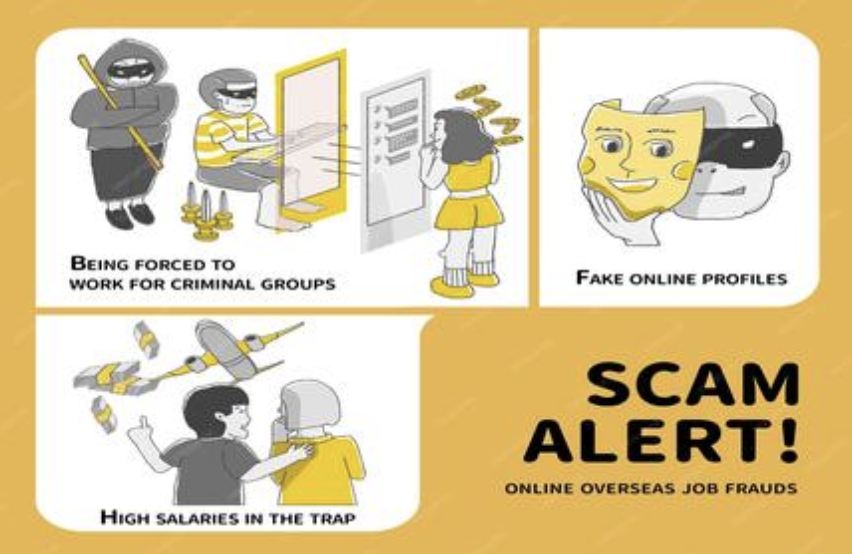
Even wealthy individuals can become victims of side hustle scams—such as counterfeit affiliate programs or exorbitant “mentorship” schemes—simply because they do not leverage technology to validate authenticity. Tools that detect fraud through AI, platforms verified by blockchain technology, and digital reputation evaluators could offer them protection, yet many fail to utilize these defenses, squandering time and money on deceptive opportunities.
The high failure rate of 90% in side projects does not indicate a lack of effort; rather, it points to overlooked technological chances. Individuals with resources can transform their side projects from mere interests into lucrative businesses by utilizing AI, data, and automation. The key to a thriving side project is not merely exerting more effort, but applying technology in a more intelligent way—steering clear of the mistakes that cause most to fail, and converting enthusiasm into earnings.
