Frequent underperformance in the market typically does not result from clear trading mistakes or evident market collapses. The gradual erosion of portfolios is generally the result of subtle, unnoticed structural frictions that function below the typical performance monitoring and daily visibility of the market. These concealed factors slip past regular risk assessments and conventional analyses, leading to a slow deterioration of wealth that superficial oversight of portfolios fails to identify.
A range of subtle hidden costs falls under these frictions: recurring trading fees, execution delays, tax losses, benchmark divergence and liquidity limits. These costs build up silently through countless small transactions and quarterly portfolio rebalancing. Unlike sharp market declines that push investors to act quickly, their total impact emerges slowly over years, forming a persistent performance deficit. Many investors wrongly blame underperforming strategies or bad timing for this gap, ignoring these overlooked structural leaks. To spot and reduce such value decay, investors need detailed long-term tracking instead of only focusing on simple return figures. Controlling these gradual losses is often among the most consistent methods to protect compound returns over long investment cycles.

Market participants instinctively concentrate on apparent financial dangers, such as abrupt price declines, unsuccessful strategic positions, and fluctuations within public markets. These explicit risks command urgent attention and lead to defensive changes, making them closely managed and commonly mitigated. However, contemporary financial systems incorporate much more nuanced hazards within what seem to be stable asset frameworks, especially in rapidly expanding private credit and illiquid alternative sectors. These layers of hidden risk remain inactive during stable periods, evading detection until external triggers necessitate systemic repricing.
A significant hidden friction is found in the mismatches in structural liquidity, a common problem within modern private market investments. Many alternative assets entail long-term lock-up periods and limited secondary market activity, while investor obligation structures presuppose adaptable, on-demand access to capital. This discordance generates a silent risk; while portfolios may seem stable on quarterly reports, they actually lack viable liquidity during widespread market turmoil. Abrupt risk-off situations compel forced sales of distressed assets or extended freezing of capital, leading to the loss of years’ worth of incremental gains.
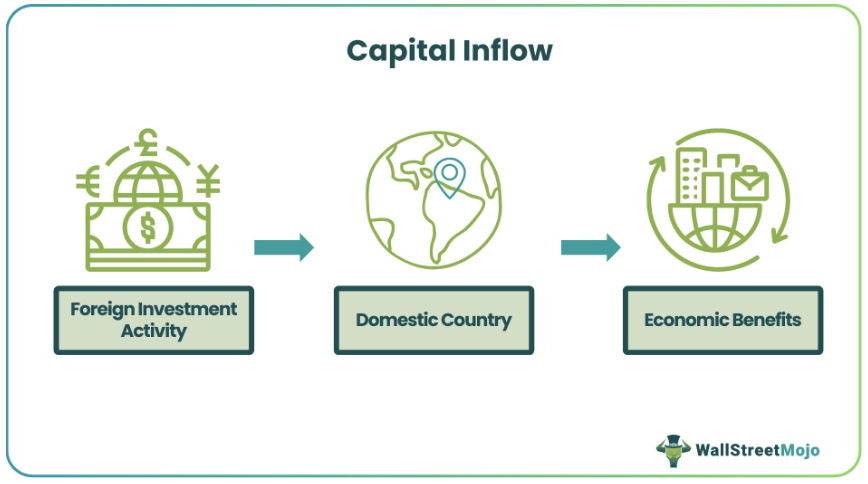
Crucial secondary effects amplify these concealed vulnerabilities over time. Large inflows into private credit markets have increased asset sizes without equivalent enhancements in transparency or stress-testing measures. Valuation methodologies depend on internal models instead of market-based pricing, resulting in outdated book values obscuring the real decline in asset quality. This creates an illusion of stability where theoretical wealth remains intact, even as core asset quality gradually deteriorates through the various phases of economic cycles.
An unexpected paradox influences long-term portfolio results. The chase for stability with low volatility encourages more capital to flow into unclear private assets, which diminishes visible daily fluctuations while concentrating untested systemic risks. Volatility in public markets is exchanged for risks from illiquidity and valuation uncertainties which cannot be captured by standard risk assessments. Portfolios designed for apparent tranquility tend to have disproportionate exposure to rare, high-impact hidden disruptions.
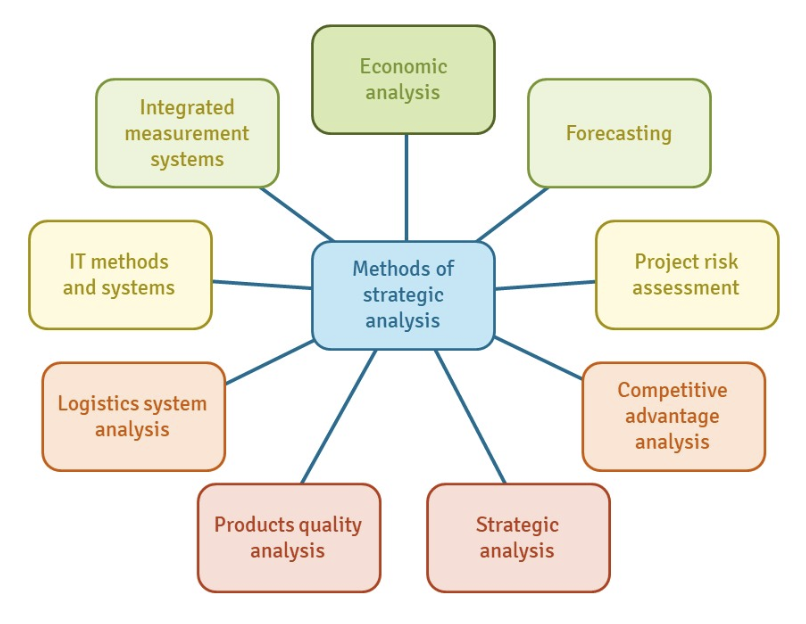
Sophisticated capital management emphasizes identifying invisible structural deficiencies over controlling overt market distractions. Sustainable wealth retention is achieved by understanding that success in today's market landscape is not solely based on sidestepping obvious losses. The most significant financial advantage arises from pinpointing and alleviating the unseen frictions and latent threats that illustrate long-term portfolio divergence among participants in the market.
