The recent regulation impacting mainstream stablecoin markets has revealed an underlying reality that is seldom discussed in typical financial analyses. Contemporary money's effective value does not come from physical assets or inherent usefulness but from a systematic agreement enforced by institutions that aligns worldwide economic activities. While general discussions often depict currency value as a natural product of market dynamics, the actual stability of money depends on complex legal, economic, and geopolitical mechanisms that ensure consistent value appreciation across nations, asset types, and transaction networks.

A concrete micro-example can be found in the maintenance of parity for pegged digital assets. Though casual observers may attribute their stable values to reserves of assets, experienced professionals understand that the frameworks of regulatory compliance and hierarchies of legal tender are more significant in sustaining their 1:1 exchange agreement. Occasional shortages of reserves seldom lead to an immediate drop in value since institutional backing maintains market confidence, superseding temporary fundamental deficits. This situation illustrates that monetary faith is never purely voluntary; it is meticulously maintained and regulated by centralized financial governance systems.
The second-order consequences of this mandated consensus shape long-term asset risk and portfolio behavior. State-supported monetary consensus facilitates ongoing fiscal and monetary adaptability that private asset systems are unable to imitate. Government authorities can extend liquidity assistance, modify settlement protocols, and standardize tax acceptance guidelines to stabilize currency value during market declines. This structural advantage leads to a subtle market distortion: sovereign currencies maintain systemic stability even when macroeconomic fundamentals weaken, while decentralized alternative assets tend to falter at the first signs of consensus decay, as they lack institutional support systems.
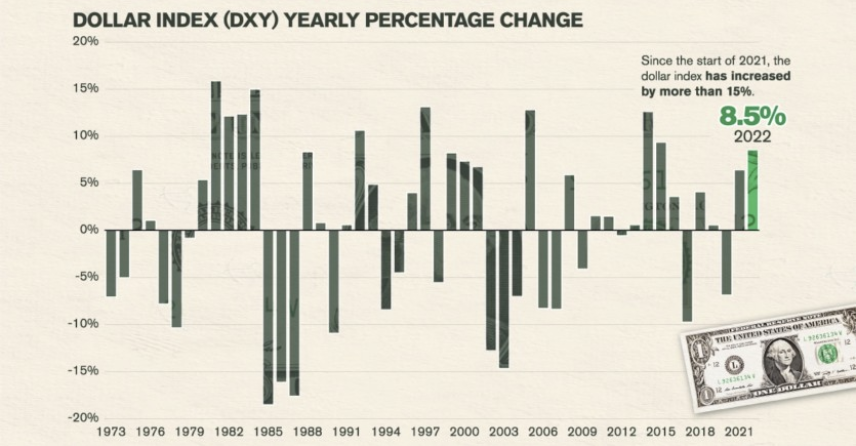
A significant contradiction arises from this enforced trust paradigm. The governance that stabilizes currency systems simultaneously introduces hidden vulnerabilities. The enforcement of consensus enables a gradual erosion of purchasing power through systematic currency expansion, a slow depreciation that is passively accepted due to universal adherence to institutional norms. Unlike market-driven price adjustments, which transparently rebalance asset values, currency devaluation occurs invisibly, transferring real economic wealth from currency holders to governmental balance sheets without noticeable market disruption.
This mandated consensus also alters the global hierarchies of capital flows. Regions with strong monetary governance frameworks are able to project stable consensus worldwide, establishing their currency units as the standard medium for international trade, reserve accumulation, and corporate financial reporting. Economies with weaker governance struggle to maintain reliable currency trust, even with sound fiscal indicators, as market players give precedence to enforceable consensus over fundamental economic vigor. This sets off a self-reinforcing cycle of monetary hierarchy that influences global asset allocation trends.

For discerning market players, understanding the enforced-consensus characteristic of money sharpens long-term risk assessment. Conventional valuation methods focused exclusively on inflation and interest rates fail to consider the institutional robustness of monetary trust. Future asset positioning relies on scrutinizing consensus stability, regulatory reliability, and geopolitical governance effectiveness. In the contemporary financial landscape, monetary strength increasingly derives from the lasting institutional capability to uphold a unified global value consensus throughout evolving market conditions.
