In an age characterized by enhanced consumption, wealthy shoppers encounter an intricate yet significant decision: when they spend their money, are they selecting a brand to convey their status, or are they opting for an experience that enhances their life? For those with considerable wealth, this issue transcends mere spending patterns—it serves as a representation of their core values and their desired image in a society where luxury now encompasses more than just ownership.

The period in which a full display of branded luxury indicated status has faded. Nowadays, educated affluent buyers are distancing themselves from obvious branding, in favor of "quiet luxury"—items with subtle craftsmanship that only those in the know appreciate. A $10,000 Hermès Kelly bag lacking visible signs boasts more prestige compared to a gaudy branded handbag, as it embodies refined taste rather than blatant consumption. This change illustrates that personal identity is linked to taste, rather than solely brand recognition.
Experiences as Modern Social Capital
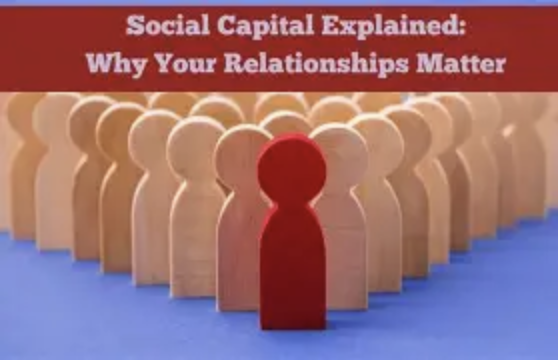
Unique experiences have emerged as a contemporary method of accumulating social capital. An exclusive dinner with a Michelin-star chef in Tuscany or a front-row place at a fashion show is not merely about enjoyment; it generates stories that resonate within elite groups. Unlike a luxury watch that loses value over time, these experiences become integral to one’s personal story, fostering bonds and memories that endure beyond material possessions. They represent a life fulfilled, not just one that is opulently owned.
Mindful Consumption: Valuing Purpose Over Prestige
Numerous high-spending individuals are now emphasizing brands that have social or environmental commitments. Acquiring a $5,000 eco-friendly cashmere coat from a fair-trade brand represents more than just a transaction; it embodies a declaration of values. This approach to "mindful consumption" fuses identity with purpose, enabling customers to perceive their expenditure as contributing to a positive impact while also indulging in luxury. It signifies a departure from superficial status, fostering a sense of meaningful belonging.
Personalization: Blending Experience with Identity
Custom experiences and products are increasingly merging the boundaries between personal identity and experience. A personalized yacht excursion tailored to an individual’s passion for marine biology or a unique fragrance created to evoke memories of their childhood environment exemplifies a combination of exclusivity and personalization. Such offerings do not merely satisfy wishes; they reflect the customer’s singular narrative, rendering the purchase a statement of identity and an unforgettable experience.
Unexpectedly, some individuals of considerable wealth are adopting "anti-upgrades," favoring understated, high-quality items over extravagant ones. A tech billionaire sporting a $200 Japanese denim jacket or driving a classic car isn’t foregoing luxury; they are reshaping its definition. This movement rejects the compulsion to continuously "upgrade," concentrating instead on possessions and experiences that genuinely bring happiness, rather than just social validation. It represents an identity based on authenticity, not accumulation.
A New Equilibrium in Consumption
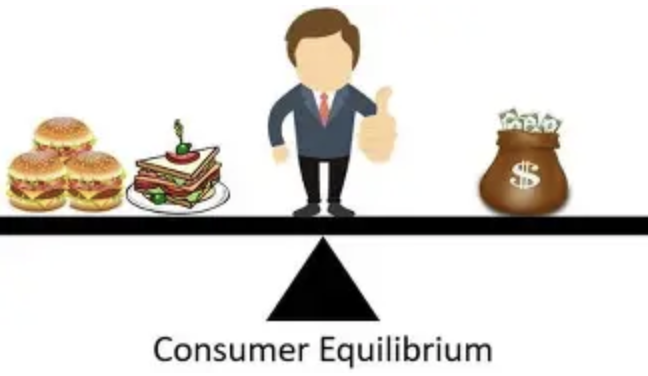
For today's wealthy consumers, the decision extends beyond merely identity or experience—it is about achieving a balance. They may select a discreet luxury handbag for everyday use while also indulging in a unique safari adventure. The essential aspect is that each acquisition, whether tangible or experiential, resonates with their authentic selves. The concept of consumption has shifted from mere quantity to significance, demonstrating that the most treasured purchases are those that both shape and satisfy our identities.