For wealthy individuals, breaches of data and fraudulent activities concerning assets are not mere inconveniences; they pose significant risks to financial stability and personal privacy. Nevertheless, numerous people dismiss blockchain as a temporary trend tied to cryptocurrency. The reality is that the decentralized and unchangeable characteristics of blockchain provide a formidable defense for personal information and important assets. It transcends mere speculative investment; it is about reclaiming ownership of your possessions in a digital landscape that is growing more susceptible to threats.

Through the process of encrypting transactions and keeping records in a decentralized network, blockchain removes vulnerabilities that hackers can target. As a result, your valuable financial information and assets are protected from unauthorized intrusions, providing a security standard that conventional centralized systems find challenging to achieve.
Decentralization: No Single Point of Failure
Conventional methods of data storage depend on centralized servers, which are attractive targets for cybercriminals. Blockchain disperses data across a network of machines, ensuring that a single breach cannot compromise your data. For those with substantial financial records or private information, this means that assets (such as property deeds or investment holdings) and personal information are not consolidated in one vulnerable spot. Decentralization shifts the scenario from "if they breach" to "if they breach numerous nodes"—an almost insuperable obstacle.
Immutable Ledgers: Trust Without Intermediaries
The ledger on the blockchain cannot be retroactively modified, thus mitigating the chances of fraud through third-party involvement. Utilizing blockchain for transferring assets (including artwork, stocks, or cryptocurrencies) means each transaction is recorded in a permanent and straightforward manner. This eliminates the need for intermediaries who could mishandle data or impose unnecessary fees. For example, using blockchain to transfer a high-value artwork guarantees the authenticity of its history, safeguarding against forgeries—an issue costing collectors approximately $6 billion annually.
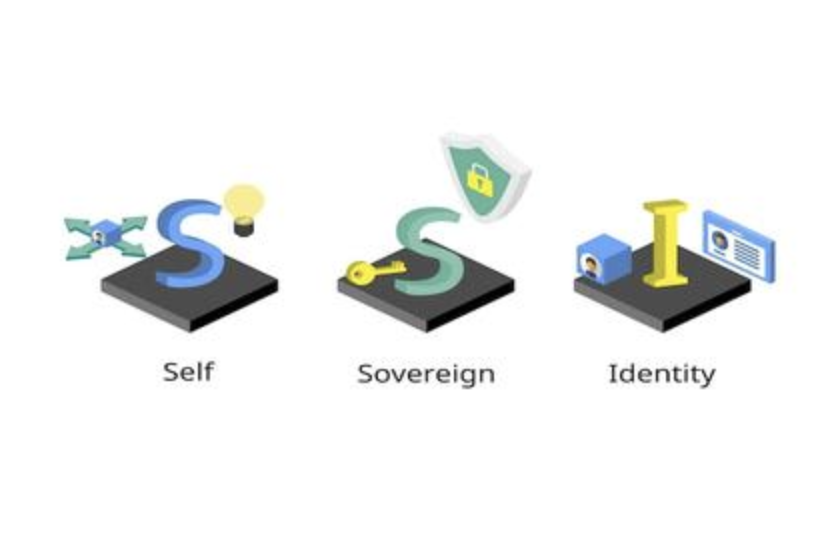
Self-Custody: Own Your Digital Identity
Affluent individuals frequently relinquish control over their data to financial institutions, social media platforms, or wealth advisors. Blockchain facilitates self-custody, allowing you to possess the “keys” to your digital identity and assets through private wallets. No organization can restrict your access to funds or sell your data without your consent. This innovation is transformative for those holding assets on a global level—you eliminate delays in cross-border transfers and scams related to currency exchange, ensuring your wealth remains exclusively under your control.
Smart Contracts: Automated, Secure Agreements
Smart contracts are self-executing arrangements on the blockchain that activate actions (such as payments or transferring assets) once specified conditions are fulfilled. For affluent individuals, this implies that estate management, property leasing, or business transactions can progress without errors or fraudulent activity. For instance, a smart contract for renting a vacation home disburses payment to the owner only upon your check-in—eliminating disputes over deposits or false listings. It combines security with efficiency.

In contrast to popular belief, blockchain can provide privacy. Privacy coins and zero-knowledge proofs enable transactions or data sharing without disclosing confidential information. Wealthy individuals can transfer substantial amounts without revealing their financial status to outside observers or authenticate their identity to banks without presenting complete documentation. This approach balances the need for transparency (to prevent fraud) with privacy (to evade targeted scams)—a crucial requirement for those managing significant assets.
