For affluent groups dealing with a time of economic instability and political changes, comprehending the essence of wealth patterns has become essential for maintaining and increasing their prosperity. Current wealth patterns focus not on pursuing immediate gains but on stability, variety, and long-lasting worth. Understanding these fundamental principles allows wealthy individuals to convert market fluctuations into prospects and attain consistent wealth expansion amidst unpredictability.
The most significant change in wealth trends is the evolution of investment strategy—from a merely growth-focused approach to a balance of protection and flexibility. Conventional asset distribution methodologies are proving less effective in managing market volatility, such as declines in both stocks and bonds. Wealthy individuals are now prioritizing the safeguarding of assets while also striving for growth, with risk management forming the foundation of every investment choice they make. This change indicates a heightened focus on assets that are capable of enduring inflation and market turbulence, along with the development of a portfolio that can swiftly adapt to shifts in the market to prevent irreversible damage.
Alternative Investments: The Emerging Driving Force
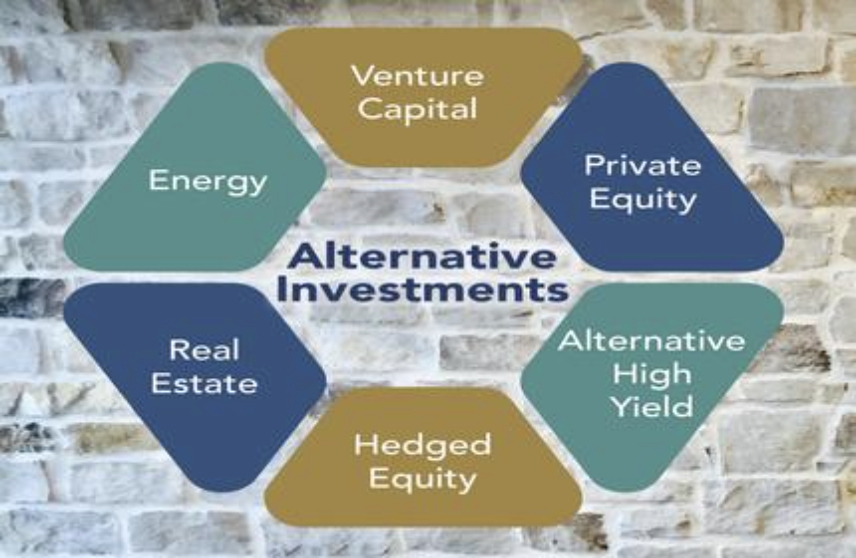
Alternative investments have emerged as a pivotal element in influencing wealth trends, with their global management footprint growing rapidly. Investments like private equity, hedge funds, and private debt, with their distinctive risk-return profiles, effectively supplement conventional investments and bolster portfolio resilience. For instance, hedge funds implement various strategies to withstand market declines, while private equity endeavors offer substantial long-term value addition. Wealthy individuals are increasingly enhancing their involvement in alternative investments, acknowledging them as a vital avenue to surpass the confines of traditional investment returns.
Insurance Value Enhancement: More Than Just Risk Coverage
Another crucial aspect of wealth trends is the enhancement in the perception of insurance value. Insurance has evolved beyond merely a safety tool for risks; it now plays an essential role in wealth management, encompassing aspects like inheritance, tax efficiency, and sustained cash flow. Affluent individuals are opting for health insurance, life insurance, and critical illness coverage, increasingly seeking international insurance options that offer broader protection and dividend opportunities. These offerings not only protect families against unforeseen financial adversities but also yield consistent returns and access to convenient global services, fulfilling the dual purpose of security and growth.
Factor-Based Allocation: Deepening Asset Understanding
A prominent contemporary trend in wealth management is the transition to factor-based allocation, surpassing traditional asset class identifications. Successful institutional investors concentrate on fundamental risk and return factors—such as sector, geography, credit quality, and liquidity—aligning every investment with these elements for optimal portfolio assembly. This strategy enables wealthy individuals to effectively align their assets with their risk preferences and objectives, overcoming the constraints of standalone asset categories and enhancing allocation effectiveness.

Focus on Long-Term Value: Commitment to Sustainable Progress
The essence of wealth trends ultimately revolves around a commitment to long-term value. High-spending demographics are increasingly prioritizing assets and opportunities that promise sustainable growth, such as artificial intelligence data centers and corporate restructuring ventures. At the same time, the integration of philanthropic and social aspects into wealth management has emerged as a prevalent tendency—investments in social enterprises that deliver both economic and societal returns not only amplify social impact but also contribute to the enduring growth of wealth. This emphasis on sustainable and long-lasting value ensures that wealth accumulation remains relevant and achieves continual success.