For affluent individuals, the misconception continues that prosperity arises purely from higher incomes. However, the true skill in managing wealth is not about generating money, but rather about safeguarding and fostering it. Obtaining a significant salary is just the starting point; the crucial journey begins when you protect those assets from decline, inflation, and hasty decisions. Authentic wealth is not gauged by your earnings but by the effectiveness of maintaining what you have accumulated.

This signifies emphasizing deliberate decisions rather than hasty reactions—be it spreading out investments to prevent excessive risk, establishing a reserve for emergencies to manage unforeseen expenses, or avoiding the temptation of extravagant purchases that exceed financial progress. Genuine prosperity develops subtly, nurtured by patience and thoughtful management, transforming a consistent income into enduring financial stability that persists well beyond regular earnings.
Wealth Decline: The Invisible Threat
Even the highest earners often ignore the subtle factors that drain their wealth. Inflation diminishes purchasing power, unnecessary charges reduce investment gains, and purchases driven by social standing lose value quickly. A salary of $200,000 holds little significance if 80% is spent on depreciating items or avoidable costs. Protecting wealth demands alertness—reviewing ongoing expenses, negotiating fees for services, and selecting investments that exceed inflation, transforming passive losses into active growth.
Managing Risk: Not Exclusively for the Wary
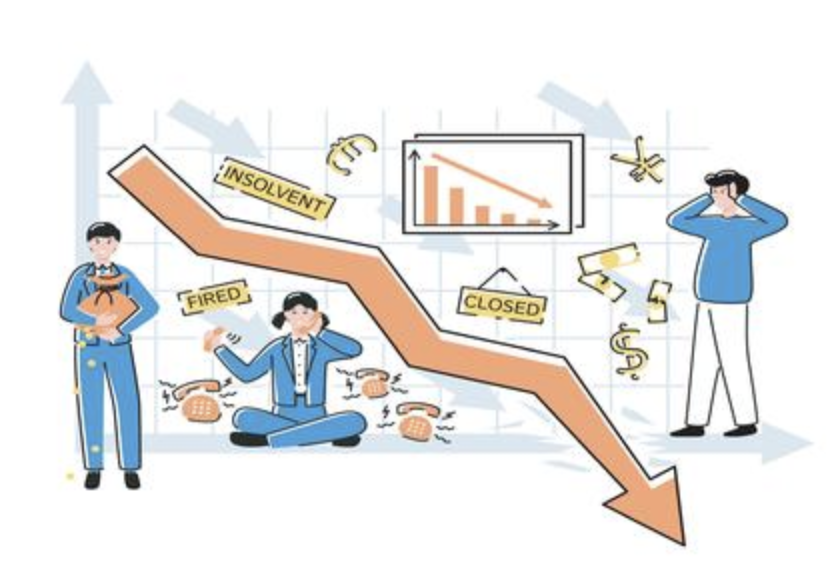
Individuals with high earnings often associate risk with opportunity, but neglecting risk can obliterate years of effort. Being overly invested in a single sector, lacking protection for assets, or disregarding insurance shortfalls leaves wealth vulnerable to devastating losses. Safeguarding wealth means striking a balance between advancement and protections: diversifying investments, obtaining liability insurance, and establishing emergency funds that provide a cushion during economic downturns. It’s not about evading risk; it’s about mastering it.

Purposeful Spending vs. Reckless Consumption
Wealthy individuals often fall prey to the phenomenon of “lifestyle inflation,” where expenditures rise alongside income. The key distinction between those who retain wealth and those who do not lies in intentionality. Instead of automatically upgrading homes or vehicles, consider: Does this expenditure support my long-term goals? Investing in experiences or appreciating assets—instead of eye-catching items that decline in value—ensures your funds benefit you rather than hinder you.
In a society fixated on rapid success, wealth preservation requires adopting the concept of “gradual wealth.” This approach emphasizes sustaining consistent, compounded returns over seeking quick profits. High earners who quickly dive into popular investments often encounter losses, whereas those who cultivate diversified portfolios, reinvest dividends, and maintain discipline throughout market fluctuations witness steady growth in their wealth. Gradual wealth may lack glamour, but it offers reliability—and that reliability is the foundation of preservation.
Wealth as a Legacy, Not a Status Indicator
Ultimately, preserving wealth transforms the perspective from “what wealth reflects about me” to “what wealth enables.” Affluent individuals who regard their wealth as a legacy—for their children, charitable giving, or personal passions—make more informed decisions. They create trusts, support charitable organizations, or back initiatives that resonate with their beliefs, ensuring their wealth serves a purpose beyond mere status. This transformation not only safeguards wealth but also turns it into a source of lasting influence.
