When addressing economic disparity, attention typically centers on the divide between the wealthy and the impoverished—yet the significant chasm exists within the unseen barriers that average individuals find difficult to overcome, regardless of their effort. These obstacles are not merely related to capital or opportunities; they manifest as nuanced, systemic challenges anchored in financial accessibility, understanding, and frameworks. For those who have successfully navigated these barriers, comprehending their nature illustrates why some individuals find wealth accumulation easy while others perceive it as unattainable—and how to safeguard the benefits associated with being positioned on the advantageous side.

The Unseen Challenge of Exclusive Financial Circles
Everyday individuals frequently lack entry to the exclusive financial circles that the rich consider routine. These elite groups—consisting of private bankers, specialized investors, and insiders within various industries—provide unique deals, priority access to unlisted properties, and off-market chances that are typically unavailable to the broader public. In the absence of these connections, even those who save diligently find themselves restricted to public, lower-performing investments, trapped in a cycle of minimal growth.
Understanding finance encompasses more than just budgeting or investing; it involves grasping the concealed rules governing the financial ecosystem. Average individuals seldom learn to navigate tax systems, asset securitization, or offshore diversification for wealth growth, while the wealthy are instructed in these techniques from a young age. This disparity in comprehension of the financial system establishes a barrier that confines most people to fundamental financial practices, hindering their potential for accelerated growth.
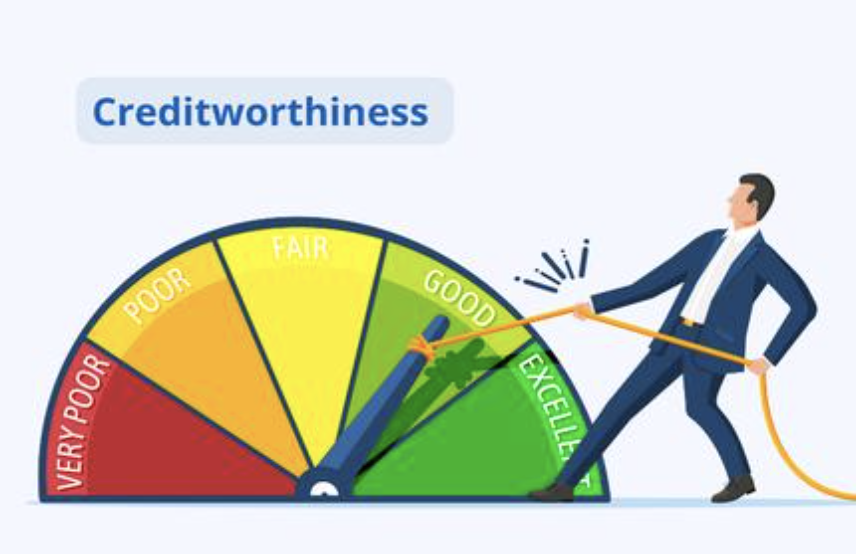
Financial Capital Accessibility Beyond Creditworthiness
Obtaining capital transcends mere credit ratings; it involves an implicit bias that favors those already possessing wealth. Financial institutions extend more competitive interest rates, adaptable terms, and larger loan amounts to individuals with collateral or a solid wealth history—leaving the average person struggling with high-interest loans that deplete savings and hinder investments in wealth-generating assets.
The Challenge of Liquidating Illiquid Assets
Many regular individuals possess illiquid assets—like houses, minority stakes in businesses, or inherited possessions—but lack methods to turn them into cash without selling. Wealthy individuals leverage asset-backed credit lines, private sales, or securitization to unlock the value of these resources while still retaining ownership, transforming stagnant capital into growth avenues. Conversely, everyday individuals often find themselves compelled to sell when immediate cash is required, sacrificing long-term advantages.

Generational Gaps in Financial Knowledge
Wealth is frequently transferred through expertise in addition to finances. Wealthy families educate their children about safeguarding assets, structuring deals, and managing risks from an early age, fostering a cycle of financial strength. In contrast, individuals without this intergenerational support must acquire these insights through experience—often incurring expensive errors that extend their financial barriers even further.
These limits are not random occurrences; they stem from a financial framework that favors individuals who already possess certain benefits. For those who have successfully navigated these challenges, understanding these obstacles is crucial for maintaining their wealth. For the average person, the most difficult aspect isn’t putting in extra effort—it’s overcoming the unseen obstacles that trap them, obstacles that the wealthy are seldom required to confront.