As the composition of household assets becomes more intricate, incorporating private equity investments, non-liquid real estate ownership, and concentrated corporate stocks as foundational elements, the role of liquidity buffers has progressed well beyond mere emergency funding. Traditional financial insights depict these cash holdings as a passive safeguard; however, seasoned asset managers view them as a proactive strategic resource that enhances long-term portfolio adaptability and resilience against risk, with nuanced consequences often overlooked in general wealth management advice.

The most evident change in practice is how the concentration of illiquid assets reshapes the usefulness of buffers. For portfolios heavily invested in private market assets and custom real estate projects, typical liquid cash reserves function as an essential means to fulfill capital call responsibilities and unexpected maintenance expenses. In contrast to standardized public market investments, commitments in private assets involve strict funding schedules that allow little leeway for postponed payments. Sufficient liquid assets prevent the necessity of hastily selling illiquid long-term investments during market downturns, a detrimental action that undermines years of accrued asset premium and disrupts the rhythm of long-term wealth accumulation.
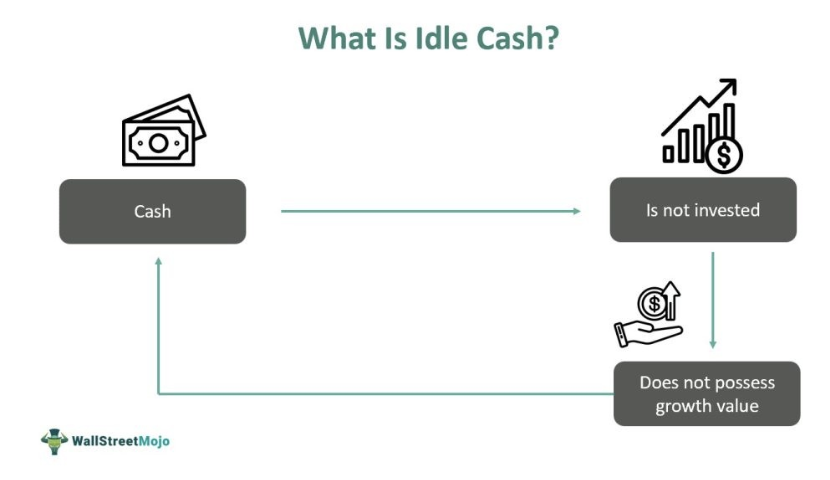
Beneath the apparent protective layer lies a less acknowledged contradiction that influences long-term wealth paths. Overly cautious liquidity allocations induce persistent cash drag, a subtle mechanism that diminishes wealth without visible market fluctuations. Idle cash reserves do not take advantage of market risk returns, and their purchasing power steadily diminishes in the face of ongoing inflation. This secondary outcome compels the remaining portfolio investments to bear a larger growth burden to compensate for stagnant cash, indirectly steering the overall asset framework towards increased risk to achieve long-term wealth aspirations.
Another often overlooked aspect of contemporary liquidity buffers is their strategic market flexibility. Properly managed liquid reserves act as dormant capital ready for seizing dislocated market chances, ranging from undervalued secondary private asset sales to attractive real estate purchases during financial downturns. Households with carefully structured liquidity can exploit fleeting market inefficiencies that restricted portfolios cannot access, transforming risk-averse market periods into opportunities for long-term value enhancement. This strategic advantage sets intentional liquidity organization apart from indiscriminate cash accumulation.

Behavioral and structural obstacles further highlight the differences between professional liquidity oversight and casual cash management. Dispersed idle funds across various banks and investment accounts often produce fragmented pseudo-liquidity, which may seem adequate on paper but lacks cohesive deployability when immediate funding becomes necessary. This structural deficiency results in many portfolios being technically over-liquid yet effectively limited, leaving households vulnerable to unnecessary liquidity shortages despite significant cash reserves reflected on balance sheets.
In the current landscape of household wealth management, liquidity buffers exemplify a complex equilibrium between protecting against downsides and facilitating potential gains, rather than simply serving as generic safety reserves. Efficient allocation focuses on cohesive, deployable liquid capital that is tailored to the exposure of illiquid assets and fluctuations in market cycles. Understanding both the protective benefits and the concealed opportunity costs associated with liquidity reserves allows for more nuanced portfolio designs, reducing passive wealth diminishment while maintaining the strategic agility that fosters sustainable long-term wealth development.
