A noticeable disparity in market perceptions has increasingly intensified within contemporary asset cycles. Numerous strongly held investment strategies that inform mainstream allocations depend less on verifiable fundamental metrics and more on cohesive, commonly accepted market narratives. These prevailing stories provide a reassuring sense of order amidst turbulent price fluctuations, yet they often become detached from actual economic conditions. What is regarded as sound market reasoning in collective conversations often merely reflects a temporary consensus narrative.
Social reinforcement fuels the spread of these market narratives, with financial news, analyst opinions and investor conversations amplifying them—this ecosystem favors following the crowd instead of rigorous questioning. Many investors take trades based on these prevailing stories, skipping independent checks on whether economic fundamentals can actually deliver the expected returns. As conflicting evidence piles up and the mainstream consensus weakens, investors rushing to exit narrative-fueled positions can spark sharp, rapid price corrections. Those who treat popular market consensus as solid investment logic are often hit hardest. Hence, being able to tell lasting fundamental truths apart from fleeting market fads is critical to avoiding major losses when these narratives fall apart.

Participants in finance instinctively pursue organized explanations for unpredictable market fluctuations. Raw economic indicators often appear fragmented and unclear in real time, providing little practical insight for making positioning choices. Market narratives help bridge this informational gap by transforming disjointed signals into straightforward, coherent storylines. Themes surrounding technological advancements, currency fluctuations, or sector rejuvenation gain popularity not through solid evidence, but through repetition and institutional backing, gradually solidifying into widely recognized “market principles.”

The vital difference between authentic structural reasoning and narrative convention resides in flexibility and accountability. Authentic market logic stems from enduring fundamental factors: cash flow production, equilibrium between supply and demand, and policy limitations that endure through cycles. In contrast, narrative-driven rules depend solely on shared beliefs. These can maintain inflated valuations and a favorable market sentiment for prolonged periods, even when the fundamental metrics fail to support the prevailing optimism.
A complex second-order risk arises from this broad cognitive replacement. Pricing based on narratives creates self-reinforcing feedback loops within the market. As an increasing amount of capital aligns with a dominant storyline, asset prices adjust to confirm the narrative, attracting further investments and solidifying communal confidence. This interaction results in an artificial market stability that obscures the widening gap in fundamentals. When additional data eventually challenges the main narrative, the ensuing fallout results in sudden, chaotic corrections that circumvent traditional risk assessments.
An unnoticed contradiction characterizes modern market involvement. The most perilous positions do not originate from inaccurate analysis but rather from uncritical adherence to mainstream narrative logic. Consensus narratives hinder independent assessments, fostering uniform market exposure and suppressed risk premiums across heavily populated segments. Entire sectors can become susceptible to widespread repricing once the dominant narrative loses its credibility, with systemic repercussions magnifying across related asset classes.
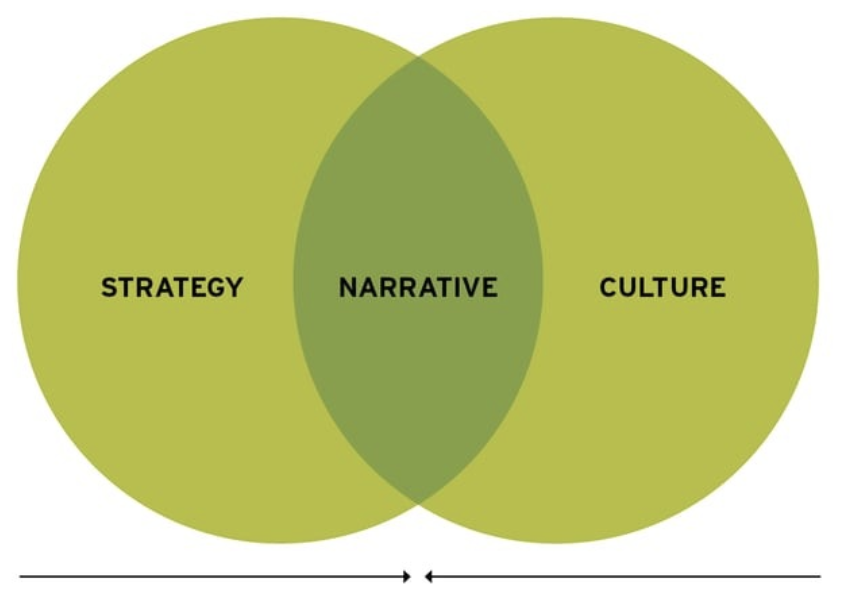
Sophisticated capital discernment relies on distinguishing between persistent structural factors and fleeting consensus storytelling. A sustainable allocation edge arises from challenging widely held market narratives and scrutinizing whether the current “logic” is grounded in fundamental truths or mere collective imagination. In the current sentiment-sensitive environment, a disciplined distinction between narrative and reality is one of the most dependable sources of long-term portfolio robustness.
