For wealthy individuals, the concept of passive income is frequently regarded as an illusion—viewed as either an unrealistic aspiration for those unfamiliar with it or a minor addition to their active earnings. However, this misunderstanding arises from a limited perspective on the true nature of passive income: it is not simply about "earning money effortlessly," but rather about skillfully transforming existing assets, knowledge, and resources into reliable sources of income that develop without the need for continuous effort. For rich investors, passive income represents a realistic objective that enhances financial independence, spreads risk, and fortifies long-lasting wealth stability. Here are the lesser-explored aspects of creating effective passive income sources.

Passive Income Demands Rigorous Due Diligence
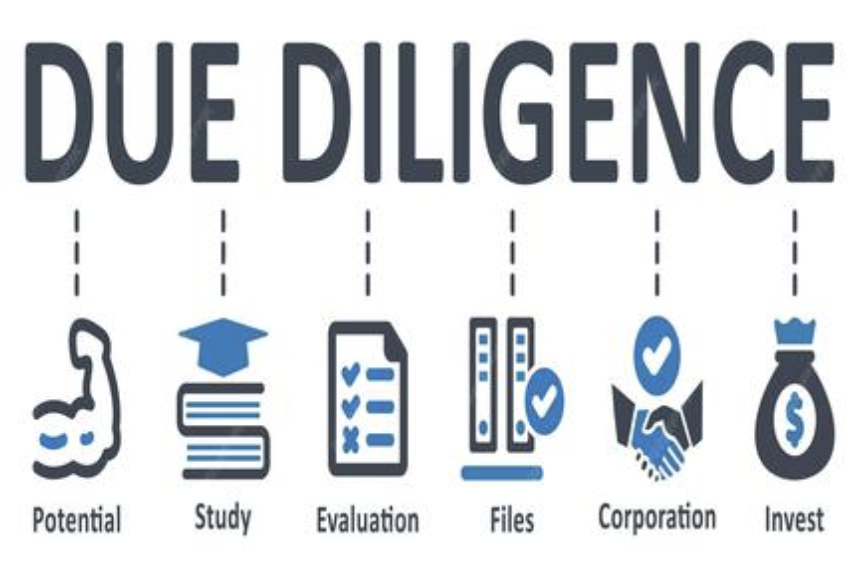
Many wealthy investors find themselves attracted to "passive income scams" due to enticing claims of fast, easy profits—from exaggerated cryptocurrency staking programs to poorly managed rental properties. Achieving truly effective passive income necessitates the same thorough research as any significant investment. This involves evaluating management teams associated with income-generating assets, assessing the reliability of cash flow, and confirming the potential for revenue stream expansion. A composed and systematic analysis distinguishes genuine passive income opportunities from expensive delusions.
It Utilizes Asset Synergies to Enhance Returns
Generating passive income is not about individual assets but about fostering synergies among current wealth holdings. For instance, a wealthy person possessing a collection of luxury properties could create a passive income source by collaborating with a high-end hospitality company to provide short-term rental options, using existing assets to increase revenue. In a similar vein, a business proprietor might license their brand or intellectual assets to generate royalty income, transforming one asset into several passive revenue streams.
Passive Income Needs Continuous Improvement, Not Abandonment
Another fallacy is the belief that passive income avenues can be established and then ignored. For wealthy investors, effective passive income demands regular refinement to stay aligned with market dynamics. This may involve modifying rental prices according to luxury market conditions, readjusting a dividend portfolio to emphasize high-growth industries, or refreshing a digital product to ensure it remains relevant. Consistent, low-effort modifications help guarantee that passive income avenues continue to be effective and expand in response to evolving economic environments.
Passive Income Rewards Perseverance Over Immediate Satisfaction
Wealthy individuals accustomed to quick outcomes frequently give up on passive income initiatives too early. Authentic passive income streams—whether derived from real estate, royalties, or investments—require time to develop. A rental property might need years to achieve consistent cash flow, while a licensed product may take a while to establish its presence. Combining patience with a strategic initial investment transforms passive income from an illusion into a real and flourishing revenue generator.

For affluent individuals, passive income represents a reality rather than a myth, stemming from the strategic application of wealth, knowledge, and patience. It entails active upfront work, thorough research, and continuous enhancement—but the result is financial independence, diversification of risk, and enduring wealth stability. For those willing to engage with the same diligence and strategic approach as they do with their other significant investments, passive income is never merely a fantasy.
